
 01↗
Growing Out a Pixie Without an Unplanned Mullet
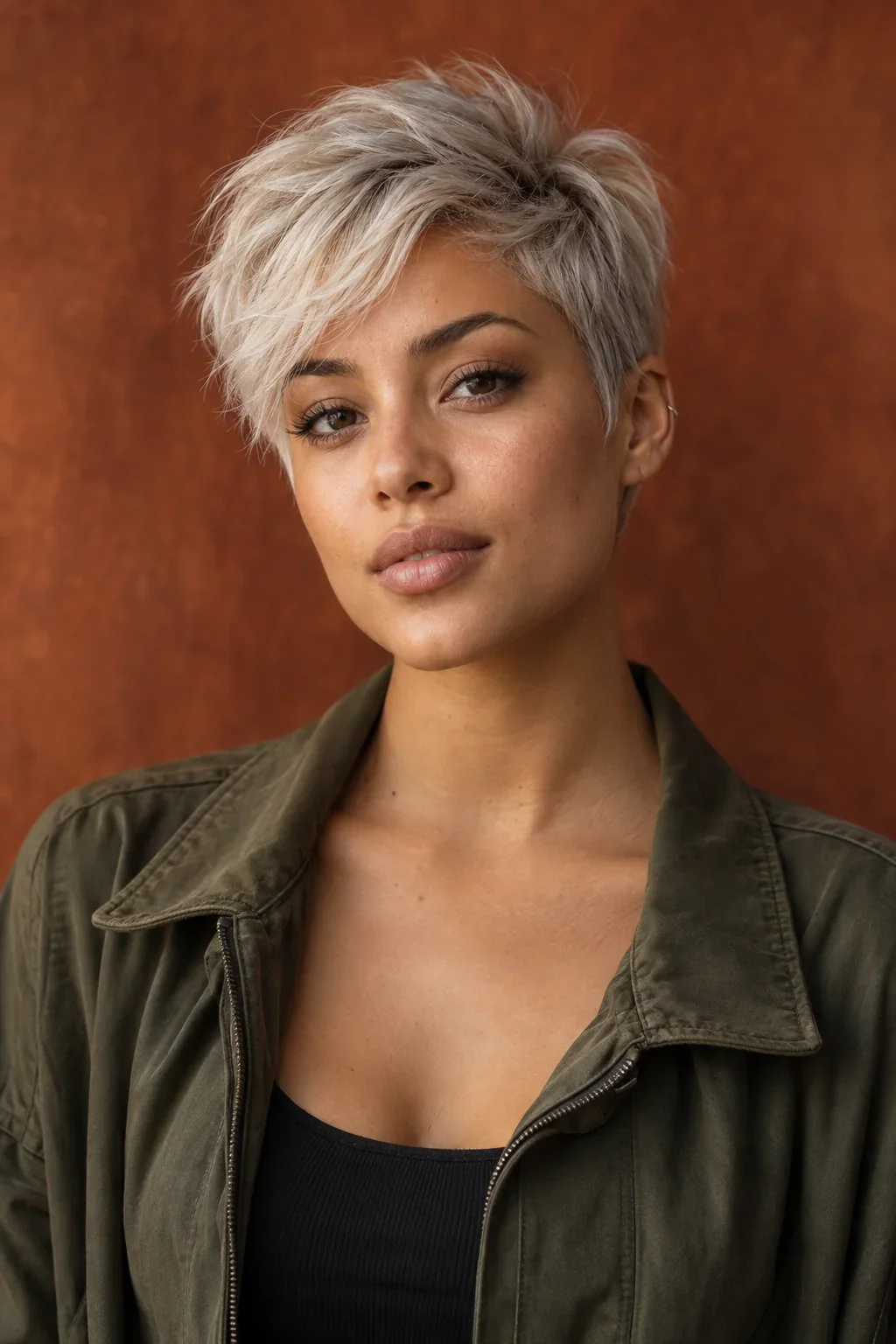
Keep the length that helps your next shape. Plan the nape, ears and front separately while a pixie grows into a longer cut.
Short at the sides. More choice through the front.
A long-front pixie keeps a compact outline while leaving a section that can sweep, lift or lie across the forehead. That longer area determines much of the look. A front that naturally splits may not resemble a dense, uninterrupted reference without styling. Show your stylist the direction you want and the way your hair already grows.
Discuss the ears and nape independently. Exposed ears, a softly covered ear and a tapered nape communicate different amounts of shortness. Keeping a longer front does not automatically make the sides feel less dramatic. Mark those boundaries in your reference rather than relying on the label long pixie.
A short cut removes length from the routine, but you may still choose to reset the front after sleep or a hat. Before the appointment, notice which sections of your current hair change direction overnight. Ask which of those would become the visible focus at pixie length.
A little deliberate texture can make the front easy to reposition, while a sleek precise shape can need a more exact finish. Neither is inherently better. Your useful version is the one whose normal, slightly imperfect state you like. Ask to see the haircut dry with a finish that resembles what you will actually do.
The grow-out conversation starts before the first cut. A pixie with a longer top can move toward a bixie, but the back and sides may need proportion changes along the way. Ask which areas you would preserve if you wanted more length and which could be tidied without resetting the whole plan.
Use a preview to compare a long-front pixie with a short bob, keeping color consistent. Notice the ear exposure and volume above the temples. Do not use a generated hairline as proof that a cowlick or density pattern will behave differently. Bring the outline you like to the consultation and make the feasibility decision there.
I want short sides with a longer movable front. Please check my crown and front growth direction, agree on ear exposure, and explain the first grow-out shape before shortening the nape.
Give the silhouette a little practical context.
01↗Keep the length that helps your next shape. Plan the nape, ears and front separately while a pixie grows into a longer cut.
 02↗
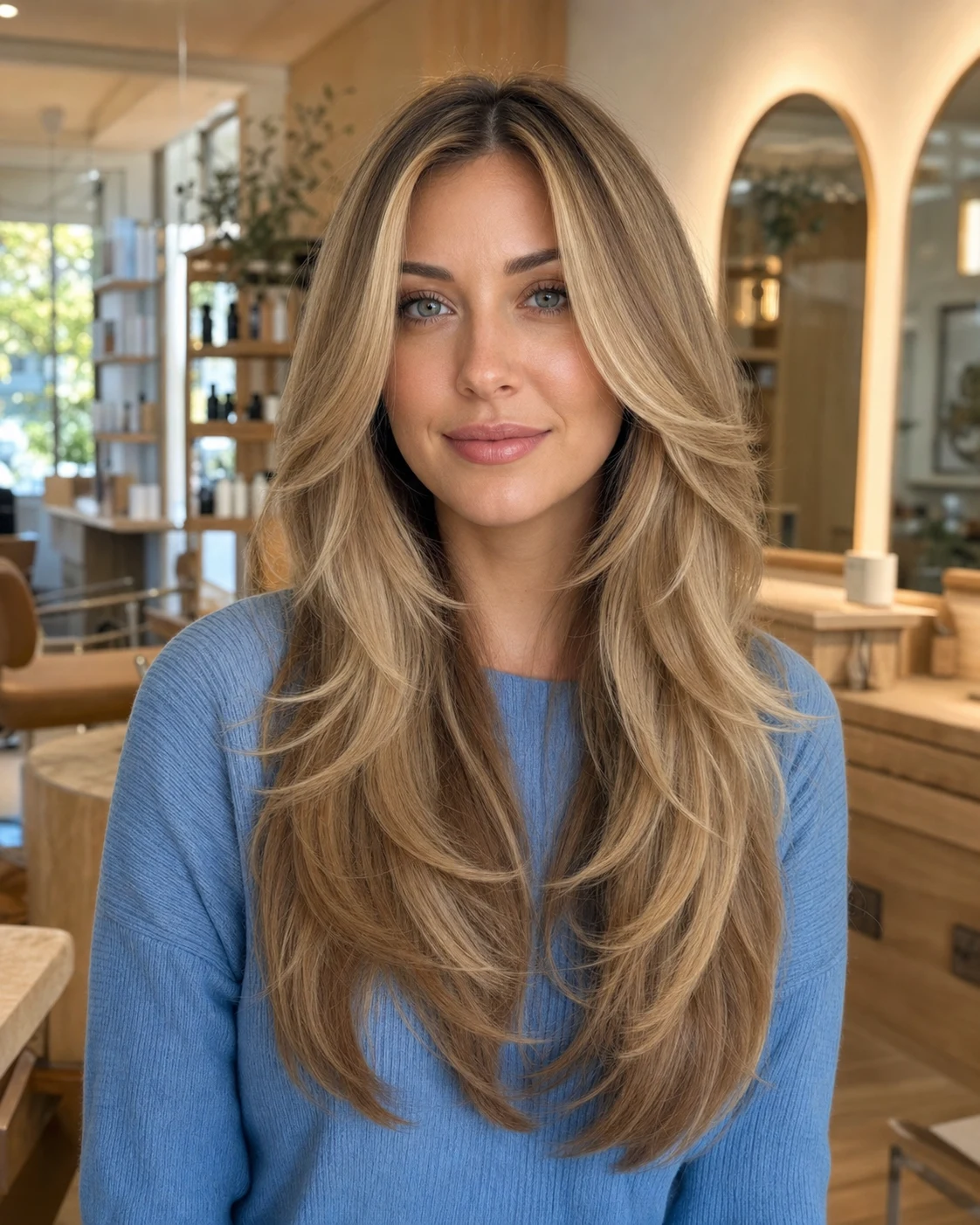
Compare a butterfly haircut and long layers by face-framing length, blowout commitment, perimeter fullness and tie-back practicality.